
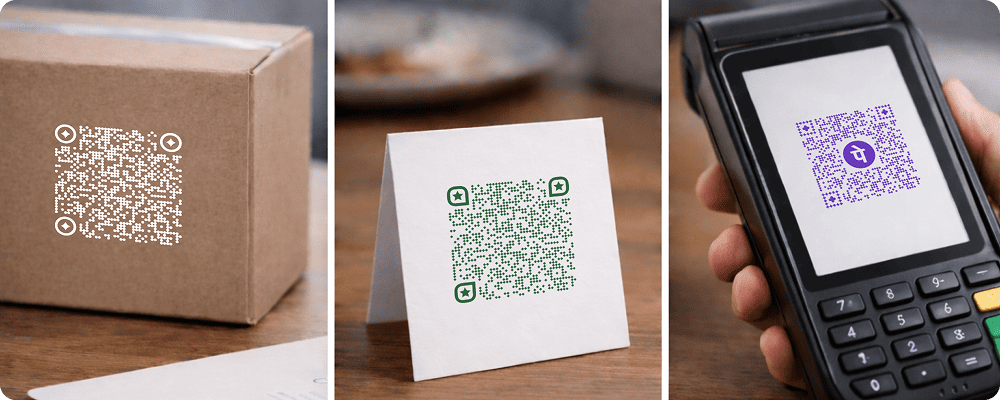
QR codes have quietly become part of everyday behavior. What once felt optional or experimental is now a natural interaction point between physical and digital experiences. Today, QR codes are used across industries to reduce friction, speed up access, and connect users to information instantly without apps, typing, or searching.
This shift is driven by mobile-first habits, contactless expectations, and the need for measurable offline-to-online engagement. Below is a clear breakdown of how QR codes are being used today, with real-world examples across industries.
Retail and E-commerce
Retail was one of the earliest adopters of QR codes, but modern usage goes far beyond basic product links. In physical stores, QR codes are placed on shelves, price tags, and packaging to provide instant product details, reviews, size guides, and availability. This helps customers make confident decisions without relying on staff or switching apps. For e-commerce brands, QR codes on packaging connect post-purchase users to setup guides, reordering pages, feedback forms, or loyalty programs. This extends the customer journey beyond checkout and builds repeat engagement.
Common retail use cases include:
- Product information and specifications
- Digital manuals and how-to guides
- Post-purchase feedback and reviews
- Cross-selling and upselling links
Restaurants, Cafes, and Food Services
In food and hospitality, QR codes are now standard—either through innovative digital menus, ordering flows, and payment. Codes have replaced printed materials in many places. QR codes on tables or packaging allow customers to view menus, customize orders, or place repeat orders without waiting. This improves service speed and reduces operational overhead. For cloud kitchens and delivery brands, QR codes on takeaway packaging direct users to ratings, order pages, or promotional efforts, keeping the brand connection alive even after delivery.
Key applications include:
- Digital menus and contactless ordering
- Table-side payments
- Feedback and ratings
- Promotional campaigns for repeat visits
Payments and Financial Services
QR-based payments have become mainstream in many regions, especially for quick, low-friction transactions. Banks, payment apps, and merchants use QR codes to enable instant payments without card swipes or cash handling. These codes can be static for small vendors or dynamic for larger businesses that require transaction tracking. Beyond payments, QR codes are also used in banking for onboarding, document verification, and secure access to digital services.
Typical use cases include:
- Peer-to-peer and merchant payments
- Invoice and bill payments
- Account onboarding and KYC access
- Secure login and verification flows
Logistics, Packaging, and Supply Chain
QR codes play a critical role behind the scenes in logistics and operations. On packages and shipping labels, QR codes store tracking status, delivery instructions, and handling information. This improves visibility across the supply chain and reduces errors caused by manual data entry. For end customers, scanning a QR code on a delivery box provides order status, return instructions, or support access, creating transparency and trust.
Key applications include:
- Shipment tracking and updates
- Inventory identification
- Return and exchange workflows
- Proof of delivery access
Healthcare and Medical Services
Healthcare organizations use QR codes to simplify access to sensitive and time-critical information. QR codes on reports, wristbands, or appointment slips allow patients to access medical records, prescriptions, or follow-up instructions securely. This reduces paperwork and administrative delays. Hospitals and clinics also use QR codes for appointment check-ins, feedback collection, and patient education resources.
Common healthcare use cases:
- Digital access to reports and prescriptions
- Appointment confirmations and check-ins
- Patient education and aftercare instructions
- Feedback and service improvement surveys
Education and Training
In education, QR codes bridge physical learning materials with digital content. Schools, universities, and training institutes place QR codes in textbooks, classrooms, and workbooks to provide access to videos, assignments, and additional resources. For corporate training, QR codes on ID cards or teaching materials link employees to onboarding documents, compliance modules, and internal tools.
Key use cases include:
- Supplementary learning materials
- Attendance and access tracking
- Course enrollment and resources
- Certification verification
Marketing, Advertising, and Campaigns
Marketing remains one of the strongest use cases for QR codes, especially when paired with analytics and dynamic links. Brands place QR codes on billboards, posters, packaging, and print ads to drive users directly to landing pages, offers, or app downloads. This shortens the customer journey and makes offline campaigns measurable. Modern campaigns rely on dynamic QR codes to update content, track performance, and optimize based on location or device.
Popular marketing uses:
- Campaign landing pages
- Event registrations
- App downloads
- Limited-time offers and promotions
Events, Travel, and Hospitality
Events and travel experiences rely heavily on QR codes for smooth access and record management. Tickets, boarding passes, hotel check-ins, and venue access are commonly handled through QR codes. This reduces queues, paper usage, and manual verification. For attendees, QR codes also provide schedules, maps, and updates in real time.
Typical applications include:
- Event ticketing and access control
- Hotel check-in and room access
- Travel documents and boarding passes
- Venue information and schedules
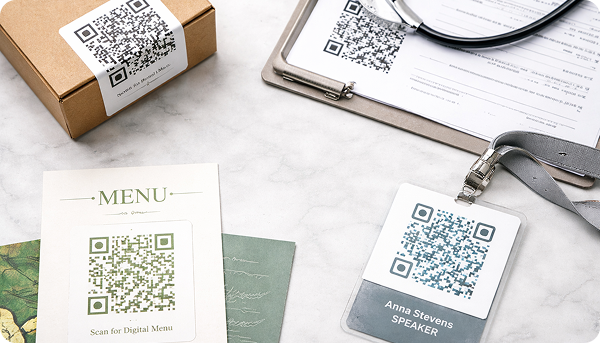
QR codes succeed because they align with how people already behave. Users expect instant access, minimal effort, and mobile-first experiences.
Modern QR codes are:
- Easy to scan from any smartphone
- Flexible across physical and digital touchpoints
- Trackable and measurable
- Scalable for businesses of all sizes