
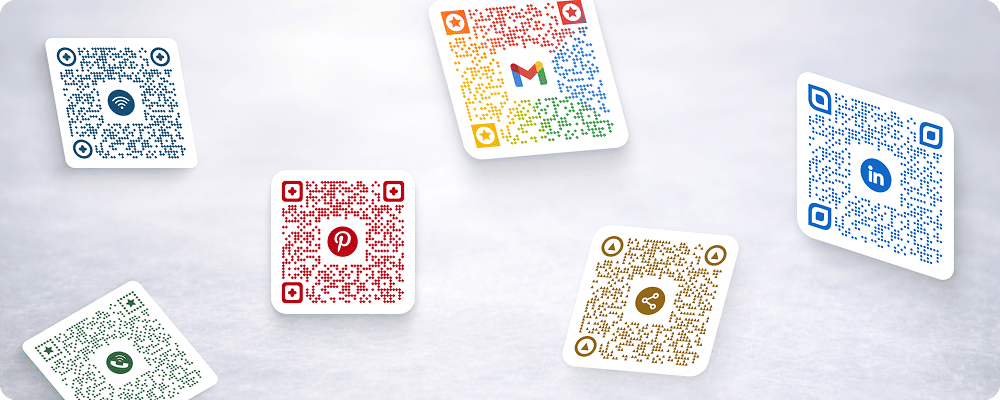
A QR code is only effective when it is easy to notice, easy to scan, and easy to understand. While QR codes are simple by nature, their performance depends heavily on thoughtful design, correct placement, and real-world usability.
This guide outlines practical best practices that help businesses create QR codes that scan reliably and deliver a smooth user experience across environments and devices.
Designing QR Codes for Maximum Scan Reliability
The foundation of a high-performing QR code starts with design clarity. Even small design changes can affect scan success.A well-designed QR code should have strong contrast, clean edges, and enough space around it to be detected easily by a camera. Avoid unnecessary visual noise that interferes with recognition.
Design best practices include:
- Use dark-colored QR codes on light backgrounds
- Maintain the recommended quiet zone on all sides.
- Avoid complex textures or patterns behind the code.
- Export in high-resolution or vector format for print.
Choosing the Right Colors and Patterns
Color customization can improve brand alignment, but it should never compromise readability. Natural, muted colors often perform better than highly saturated or bright tones. Subtle variations maintain scan accuracy while keeping the design visually appealing.
When customizing:
- Avoid low-contrast color combinations.
- Test colored QR codes in different lighting.
- Keep the eye pattern clear and distinct.
- Limit decorative elements that distort structure.
Optimizing QR Code Size for the Scan Distance
QR code size should be determined by how far users are expected to scan from. Small QR codes may work for tabletop use but fail when scanned from a distance. Larger formats are required for posters, banners, or outdoor signage.
General sizing guidance:
- Increase size as viewing distance increases.
- Ensure sufficient margin around the QR code.
- Test from real-use distances before finalizing.
Placing QR Codes Where Users Expect Them
Placement plays a critical role in scan success. Even a well-designed QR code can fail if placed in an inconvenient or unexpected location.
Effective placement means positioning the QR code where users naturally pause, look, or interact.
Best placement practices:
- Place at eye level or natural standing height.
- Avoid extreme angles or curved surfaces.
- Ensure adequate lighting without glare.
- Keep QR codes unobstructed and accessible.
Considering Lighting and Environmental Conditions
Lighting conditions affect how cameras detect QR codes.
Poor lighting, harsh shadows, or reflective glare can reduce scan reliability. QR codes placed outdoors or near bright lights require additional testing.
To improve performance:
- Prefer matte surfaces over glossy ones
- Avoid direct reflections or strong highlights
- Test under different lighting conditions
- Adjust placement to minimize shadows
Making the Post-Scan Experience Seamless
The scanning experience does not end when the QR code is detected. What happens next determines whether users complete the intended action.
Landing pages should load quickly, be mobile-friendly, and clearly communicate what users should do next.
Post-scan best practices include:
- Use mobile-optimized pages.
- Minimize load time and redirects.
- Provide clear calls to action.
- Ensure content matches user expectations.
Testing QR Codes Before Public Use
Testing is a non-negotiable step in any QR deployment.
Before launching, QR codes should be tested across:
- Different smartphone models
- Multiple camera apps
- Various lighting and placement scenarios
- Real-world distances and angles
This helps identify issues early and prevents costly reprints or failed campaigns
Maintaining QR Codes Over Time
For long-term usage, QR codes should be monitored and maintained.
Dynamic QR codes allow businesses to update destinations, fix issues, and track performance without changing the printed code.
Ongoing maintenance includes:
- Periodic scan testing
- Reviewing analytics for anomalies
- Updating content as needed
- Retiring outdated QR codes responsibly

Conclusion
QR codes often serve as a direct gateway between offline and digital experiences. Poor design or placement leads to failed scans, lost engagement, and negative brand perception.
By following these best practices, businesses can ensure QR codes remain reliable, accessible, and effective wherever they are used.