

QR codes are no longer just access tools. When used strategically, they become conversion drivers that move users from interest to action in seconds. Businesses across industries can use QR codes to shorten customer journeys, remove friction, and turn physical touchpoints into measurable digital conversions.
This blog focuses on real, conversion-focused use cases where QR codes directly contribute to leads, sales, sign-ups, and repeat engagement.
Why QR Codes Convert Better Than Traditional Touchpoints
Traditional offline touchpoints rely on memory and effort. Users must remember a URL, search for a brand, or install an app. QR codes remove these steps entirely.
A single scan takes users directly to the action page, reducing drop-offs and increasing completion rates. For businesses, this means higher conversion probability with minimal effort from the user.
QR codes work especially well because they:
- Require no manual searching
- Work instantly on smartphones
- Bridge offline and online moments
- Capture intent at the right time
Lead Generation and Customer Acquisition
One of the strongest business use cases for QR codes is lead capture. QR codes placed on brochures, banners, or business cards can direct users to lead forms, demos, or free trials. Because the scan happens at a moment of interest, the intent remains higher compared to cold traffic.
Common lead generation applications include:
- Event registration forms
- Free trial or demo sign-ups
- Newsletter subscriptions
- Contact forms for sales inquiries
In-Store and Offline Sales Conversion
Physical retail environments benefit significantly from QR-based conversions. QR codes on shelves or product tags can lead customers to instant purchase links, detailed product pages, or limited-time offers. This supports buying decisions without requiring staff assistance.
Key retail conversion use cases:
- Instant product purchase links
- Discount or coupon activation
- Upsell and cross-sell offers
- Stock availability and alternative options
Product Packaging and Repeat Purchases
Packaging is one of the most underused conversion assets. QR codes on packaging allow brands to re-engage customers after purchase. Instead of ending the journey at delivery, businesses can drive repeat orders, subscriptions, or loyalty sign-ups.
High-conversion packaging use cases include:
- One-click reordering
- Subscription enrollment
- Product registration
- Refer-a-friend loyalty programs
Payments and Checkout Acceleration
QR codes significantly reduce friction in payment and checkout flows. Businesses use QR systems to enable instant payments, invoice settlements, and service bookings. This is especially effective for service providers, restaurants, and small merchants.
Typical payment conversion use cases:
- Scan-to-pay at counters
- Invoice and bill payments
- Service bookings and deposits
- Event ticket purchases
Marketing Campaigns That Drive Action
QR codes allow marketing campaigns to move beyond awareness and into action. Print ads, posters, flyers, and outdoor banners use QR codes to push users directly to campaign landing pages. Dynamic QR codes allow marketers to optimize these campaigns over time based on performance.
High-performing campaign conversions include:
- Limited-time offers
- App downloads
- Contest and giveaway entries
- Product launches and pre-orders
Events, Demos, and On-the-Spot Conversions
Events are high-intent environments, making QR codes extremely effective. Businesses use QR codes for instant demo bookings, brochure downloads, and follow-up scheduling. Instead of collecting paper details, users complete actions instantly on their phones.
Event-focused conversion examples:
- Demo scheduling
- Digital brochure access
- Post-event follow-ups
- Feedback and surveys
Customer Support and Retention
QR codes also support conversions after the sale by improving retention and satisfaction. Support-focused QR codes guide users to help centers, chat support, or troubleshooting guides. Faster support reduces churn and increases long-term customer value.
Retention-focused use cases include:
- Support access and FAQs
- Warranty registration
- Feedback and NPS surveys
- Upgrade and renewal links
How to Use QR Codes for Better Business Conversions
To drive real conversions, QR codes must be implemented with intent. Best practices include:
- Use clear CTAs near the QR code
- Send users to mobile-optimized pages
- Avoid unnecessary steps after scanning
- Track performance using dynamic QR codes
- Place QR codes at high-intent touchpoints
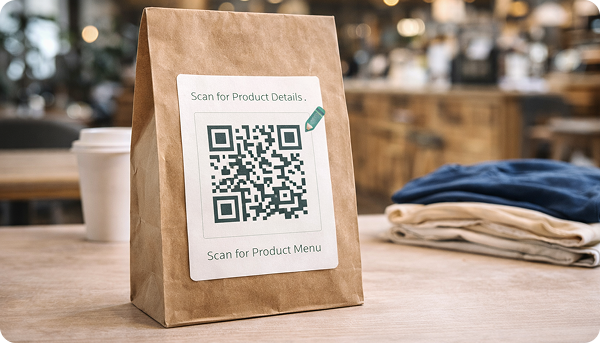
QR codes succeed because they meet users exactly where intent exists. When placed thoughtfully, they remove friction, shorten journeys, and make actions effortless.
In touchpoints, QR codes are not just access points. They are measurable, scalable tools that convert attention into outcomes.