
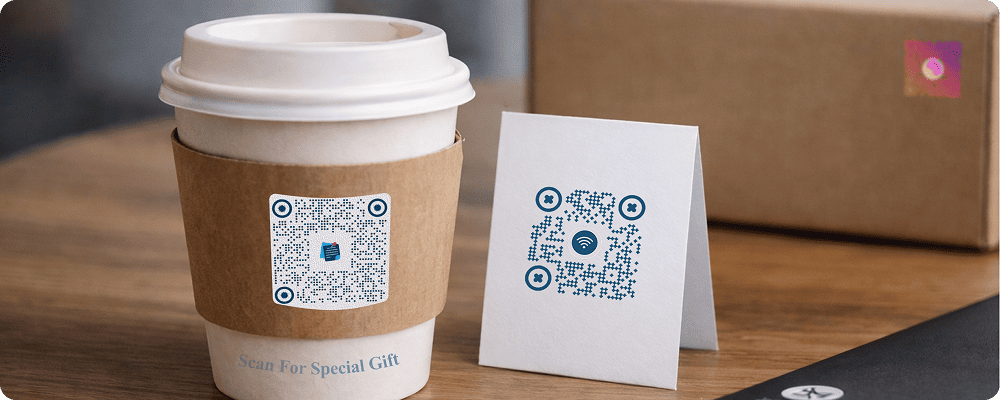
QR codes come in two main types: static and dynamic. While static QR codes are fixed and limited, dynamic QR codes are designed for flexibility, control, and long-term use. They allow businesses to update content, track performance, and adapt campaigns without changing the printed code.
As QR codes become a permanent part of marketing, operations, and customer experience, dynamic QR codes are increasingly the preferred choice. This article explains what dynamic QR codes are, how they work, and where they are used in real-world scenarios.
What Are Dynamic QR Codes?
A dynamic QR code is a QR code that points to a short redirect URL rather than a fixed destination. This redirect can be updated at any time, allowing the final destination to change without reprinting or redistributing the QR code. From a user’s perspective, the scanning experience looks the same; however, businesses gain the ability to manage, track, and optimize where the QR code leads. This makes dynamic QR codes suitable for long-term placements such as packaging, signage, print ads, and physical products.
How Dynamic QR Codes Work
When a dynamic QR code is scanned, it does not directly open the final link. Instead, it routes through a managed URL that forwards the user to the current destination set by the business.
This setup allows:
- Destinations to be managed any time
- Multiple campaigns to use the same QR code
- Performance data to be collected with each scan
- Device, location, and time-based insights
Because of this structure, dynamic QR codes remain more adaptable than static ones.
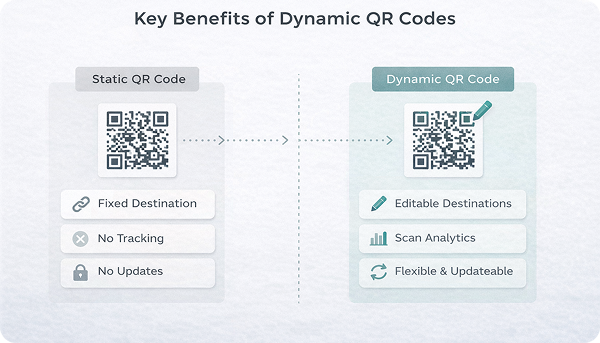
Key Benefits of Dynamic QR Codes
Dynamic QR codes are used by businesses because they solve common limitations of traditional QR codes.
Editable Destinations:
The biggest advantage is flexibility. Businesses can update links, landing pages, or content even after the QR code is printed and distributed.
Scan Tracking and Analytics:
Dynamic QR codes provide data such as scan count, location, device type, and time of scan. This helps teams measure performance and optimize campaigns.
Cost Efficiency:
There is no need to reprint materials when links change. This reduces printing costs and avoids wasted inventory.
Better Campaign Control:
Campaigns can be paused, redirected, or updated instantly, giving full control over QR experiences.
Improved User Experience:
Users are always directed to relevant, up-to-date content, reducing dead links and frustration.
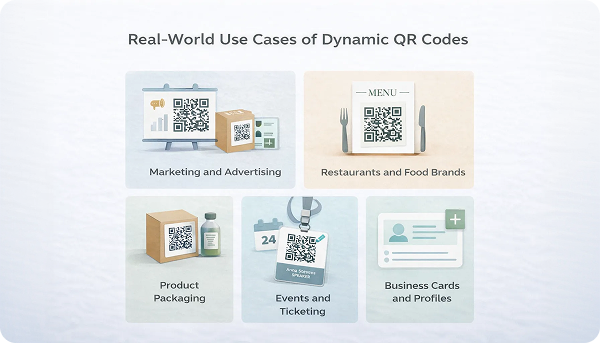
Real-World Use Cases of Dynamic QR Codes
Dynamic QR codes are used across industries where flexibility and tracking matter.
Marketing and Advertising:
Brands use dynamic QR codes in print ads, billboards, and packaging to drive traffic to campaigns. If an offer changes or ends, the link can be updated instantly without replacing the QR code.
Product Packaging:
QR codes on packaging link to manuals, videos, or support pages. Promotional status or content can be updated without redesigning packaging.
Restaurants and Food Brands:
Menus, promotions, and seasonal offers are updated through the same QR code, avoiding reprints and reducing operational effort.
Events and Ticketing:
Event details, schedules, and speaker information can be updated in real time as changes occur.
Business Cards and Profiles:
Dynamic QR codes on business cards allow professionals to update contact details, portfolios, or social links without reprinting cards.
Examples of Dynamic QR Code Applications
Dynamic QR codes support a wide range of practical scenarios:
- Redirecting users to different landing pages over time
- Switching from pre-launch pages to live product pages
- Updating promotional offers during campaigns
- Managing multilingual content based on region
- Tracking offline marketing performance
These examples show how dynamic QR codes adapt to various business needs.
When Should You Use Dynamic QR Codes?
Dynamic QR codes are best used when:
- The destination content may change
- Tracking and analytics are required
- The QR code will be printed or deployed long-term
- Campaign performance needs measurement
- Multiple teams manage the same QR code
In these cases, static QR codes often create limitations that dynamic QR codes easily solve.
Why Dynamic QR Codes Matter Today
As customer journeys become shorter and more mobile-driven, businesses need tools that connect physical touchpoints with digital experiences seamlessly.
Dynamic QR codes provide that connection while offering control, scalability, and insight. They are no longer a premium feature but a practical necessity for modern businesses focused on measurable engagement.