
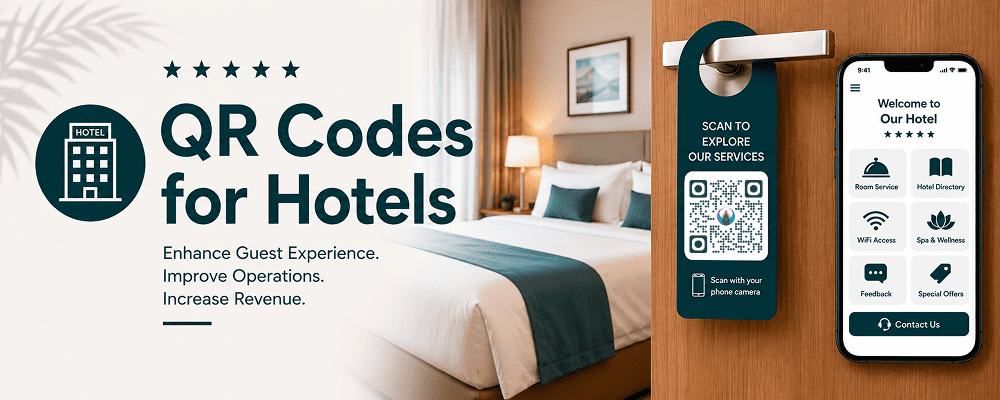
The hospitality industry is constantly evolving to meet the changing expectations of modern travelers. Guests today expect convenience, speed, personalization, and contactless services throughout their stay. Hotels that embrace digital technology are better positioned to deliver exceptional guest experiences while improving operational efficiency.
One technology that has become increasingly popular in the hospitality sector is the QR Code. These simple yet powerful codes allow hotels to connect guests with digital services instantly through a smartphone scan.
From contactless check-ins and digital room service menus to guest feedback and loyalty programs, QR codes help hotels streamline operations, reduce costs, and improve guest satisfaction.
In this comprehensive guide, we’ll explore how hotels use QR codes, their benefits, and the top ways they can transform hotel operations and guest experiences.
What Are QR Codes for Hotels?
A hotel QR code is a scannable code that directs guests to digital content, services, or information.
Hotels can use QR codes to provide access to:
- Check-in forms
- Digital menus
- WiFi credentials
- Guest services
- Booking pages
- Hotel directories
- Feedback forms
- Payment options
Guests simply scan the QR code using their smartphone camera and instantly access the information they need.
This eliminates unnecessary paperwork, reduces wait times, and enhances convenience.
Why Hotels Are Adopting QR Codes
Modern travelers increasingly prefer self-service and contactless experiences.
Hotels use QR codes because they help:
- Improve guest satisfaction
- Reduce operational costs
- Simplify communication
- Increase service efficiency
- Generate additional revenue
- Enhance guest engagement
QR codes are inexpensive to implement and offer significant value for both guests and hotel management.
Benefits of QR Codes for Hotels
Enhanced Guest Experience
Guests can access information instantly without waiting for assistance.
Reduced Printing Costs
Hotels can replace printed brochures, menus, and directories with digital versions.
Faster Service Delivery
QR codes provide quick access to hotel services and information.
Contactless Interactions
Guests can interact with hotel services without physical contact.
Better Operational Efficiency
Staff spend less time answering routine questions and more time delivering personalized service.
15 Ways Hotels Use QR Codes
1. Contactless Hotel Check-In
Long check-in lines can negatively impact guest experiences.
Hotels can place QR codes in booking confirmation emails or at reception desks.
Guests can scan the QR code to:
- Complete registration forms
- Verify identity
- Access room details
- Receive digital check-in instructions
Benefits include:
- Reduced waiting times
- Faster arrivals
- Improved guest satisfaction
2. Digital Room Service Menus
Traditional printed room service menus quickly become outdated.
QR codes allow hotels to provide digital menus that can be updated instantly.
Guests can:
- Browse menu items
- View images
- Check pricing
- Place orders
This improves convenience while reducing printing expenses.
3. Instant WiFi Access
Guests often ask for WiFi credentials upon arrival.
A WiFi QR code allows guests to connect instantly without manually entering passwords.
Benefits include:
- Better guest experience
- Fewer support requests
- Faster internet access
Many hotels place WiFi QR codes:
- In guest rooms
- At reception desks
- In conference areas
- In restaurants
4. Hotel Directory Access
Guests frequently need information about hotel services.
A QR code can provide instant access to:
- Hotel facilities
- Operating hours
- Restaurant information
- Spa services
- Emergency contacts
This creates a more convenient guest experience.
5. Restaurant Reservations
Hotel restaurants can use QR codes to simplify reservations.
Guests can scan a QR code to:
- View availability
- Reserve tables
- Access special menus
- Explore promotions
This helps increase restaurant bookings and revenue.
6. Spa and Wellness Bookings
Many guests seek wellness services during their stay.
QR codes can direct guests to:
- Spa treatment menus
- Appointment scheduling
- Pricing information
- Wellness packages
This improves accessibility and encourages bookings.
7. Guest Feedback Collection
Guest feedback is critical for improving service quality.
Hotels can place QR codes:
- In rooms
- At checkout
- In restaurants
- Near reception
Guests can quickly access feedback forms and leave reviews.
Benefits include:
- Higher response rates
- Better customer insights
- Improved online reputation
8. Mobile Payments
Hotels increasingly support digital payments.
QR codes can facilitate:
- Restaurant payments
- Room service payments
- Event payments
- Additional service purchases
Benefits include:
- Faster transactions
- Reduced cash handling
- Improved convenience
9. Hotel Loyalty Programs
Loyalty programs encourage repeat bookings.
QR codes can help guests:
- Join loyalty programs
- Earn points
- Redeem rewards
- Access exclusive offers
Digital loyalty experiences improve engagement and customer retention.
10. Digital Concierge Services
Guests often have questions about:
- Local attractions
- Transportation
- Dining options
- Entertainment
A QR code can connect guests directly to digital concierge services.
This provides immediate assistance without requiring staff intervention.
11. Tourist Guides and Local Recommendations
Travelers often want recommendations for local attractions.
Hotels can provide QR codes linking to:
- City guides
- Tourist attractions
- Maps
- Shopping districts
- Restaurant recommendations
This enhances the guest experience and adds value to their stay.
12. Event and Conference Information
Hotels hosting conferences and events can use QR codes for:
- Event schedules
- Speaker information
- Venue maps
- Session registrations
This improves attendee experiences and event organization.
13. Emergency Information Access
Guest safety should always be a priority.
QR codes can provide access to:
- Emergency procedures
- Safety instructions
- Contact numbers
- Evacuation plans
Guests can quickly access important information whenever needed.
14. Promotional Offers and Upselling
Hotels can use QR codes to promote:
- Room upgrades
- Spa packages
- Dining specials
- Seasonal promotions
These offers can be displayed throughout the property.
Dynamic QR codes allow promotions to be updated without reprinting materials.
15. Social Media and Online Engagement
Hotels can encourage guests to connect online.
QR codes can direct guests to:
- Instagram profiles
- Facebook pages
- TikTok accounts
- YouTube channels
Social engagement helps increase brand visibility and attract future guests.
Why Dynamic QR Codes Are Better for Hotels
While static QR codes are useful, dynamic QR codes provide significantly more flexibility.
Editable Content
Hotels can update information without changing the printed QR code.
Analytics Tracking
Hotels can monitor:
- Number of scans
- Device types
- Guest engagement
- Popular services
Campaign Optimization
Marketing teams can analyze performance and improve campaigns.
Better Guest Insights
Analytics provide valuable data about guest behavior.
For hotels, dynamic QR codes often provide the best long-term value.
Best Practices for Hotel QR Codes
Use Clear Calls-to-Action
Examples include:
- Scan for Room Service
- Scan to Connect WiFi
- Scan for Hotel Information
- Scan to Book Spa Services
Guests are more likely to scan when instructions are clear.
Place QR Codes Strategically
Popular locations include:
- Guest rooms
- Reception areas
- Elevators
- Restaurants
- Conference rooms
Visibility increases usage.
Ensure Mobile-Friendly Content
Most guests access QR code content using smartphones.
Content should be:
- Fast-loading
- Easy to navigate
- Responsive on mobile devices
Test QR Codes Regularly
Always verify that QR codes work correctly.
Broken links can create frustration and negatively impact guest experiences.
Use Branded QR Codes
Custom QR codes that include hotel branding appear more professional and trustworthy.
Common Mistakes Hotels Should Avoid
Using Outdated Information
Keep linked content updated.
Guests expect accurate information.
Poor QR Code Placement
Avoid placing QR codes in hard-to-find locations.
Visibility is essential.
Overcomplicating User Journeys
The fewer steps required, the better the experience.
Keep interactions simple.
Ignoring Analytics
Tracking scan activity helps optimize hotel services and promotions.
Use analytics to make informed decisions.
The Future of QR Codes in Hospitality
The hospitality industry is becoming increasingly digital.
Future QR code applications may include:
- AI-powered concierge services
- Personalized guest experiences
- Smart room controls
- Digital room keys
- Interactive hotel experiences
Hotels that embrace digital innovation today will be better prepared for future guest expectations.
Frequently Asked Questions
Are QR codes useful for hotels?
Yes. QR codes improve guest convenience, reduce operational costs, and increase service efficiency.
Can hotels use QR codes for check-in?
Absolutely. Many hotels use QR codes for contactless check-in and guest registration.
Are QR codes secure?
Yes, when generated using trusted platforms and linked to secure websites.
What type of QR code is best for hotels?
Dynamic QR codes are generally best because they allow content updates and provide analytics.
Can QR codes help increase hotel revenue?
Yes. QR codes can promote upgrades, dining offers, spa packages, loyalty programs, and additional services.
Conclusion
QR codes have become an essential technology for modern hotels. They simplify guest interactions, improve service efficiency, reduce costs, and create more convenient experiences throughout the guest journey.
From contactless check-ins and WiFi access to loyalty programs and digital concierge services, QR codes offer countless opportunities to improve operations and increase revenue.
Hotels that implement QR code solutions effectively can enhance guest satisfaction while staying competitive in an increasingly digital hospitality industry.
Create Professional Hotel QR Codes with DigitalQR
Looking to improve guest experiences and streamline hotel operations?
DigitalQR allows hotels to create dynamic QR codes for check-ins, room service, WiFi access, guest feedback, loyalty programs, and much more—all from one easy-to-use platform.